
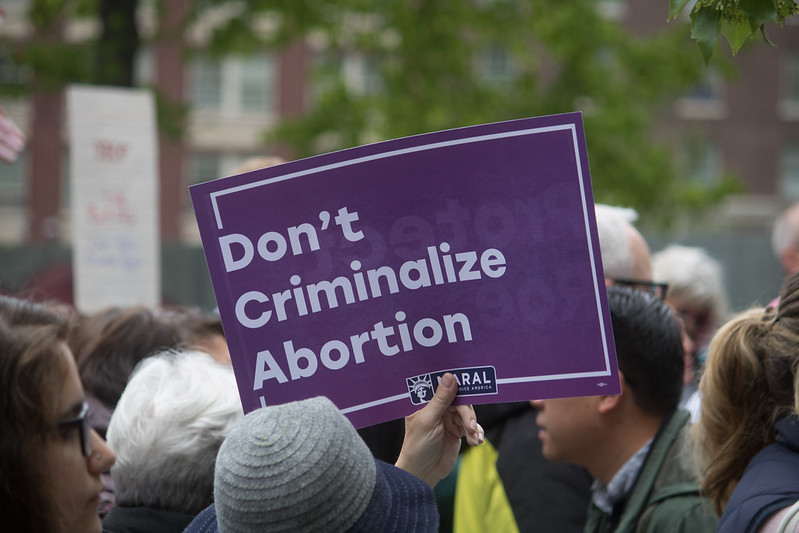
Abortion is the intentional termination of pregnancy. Usually abortion is conducted through expulsion of the fetus from the uterus before it has reached the state of viability (in human beings it’s usually about the 20th week of gestation). In the same regard, an abortion may occur spontaneously, in which case it is also called a miscarriage, or it may be brought on purposefully, in which case it is often called an induced abortion.
WHAT IS THE STATE OF THE LAW ON ABORTION IN UGANDA?
Abortion in Uganda is guided by the provisions of the 1995 Constitution of Uganda (As Amended) and the Penal Code Act Cap 120.
Abortion as an act in Uganda isn’t welcome and therefore unacceptable not just by the law but also the moral or the traditional understanding.
The Constitution of Uganda which is the Supreme law of the land is very clear on where it provides that no person has a right to terminate the life of an unborn child except as provided by the law under Article 22(2).
The Penal Code Act also specifies clearly that abortion or killing an unborn baby is illegal as of Section 212. The Penal Code Act under Section 141 also makes procuring an abortion a felony.
Therefore, the laws of Uganda make it illegal to commit an abortion as an unborn baby also has and should enjoy a right to life.
ARE THERE ANY EXCEPTIONS IN THE LAW?
The Constitution doesn’t allow abortion unless there is an exception which is provided in the law.
You should understand that abortion could only be acceptable only in circumstances of preserving life and physical or mental health of the pregnant woman as provided for under Section 224 of the Penal Code. [1] This exception may also include some cases of sexual violence.[2] The Guidelines that clearly provided for safe abortion under circumstances of sexual violence where however with drawn by government and not operational. This therefore means that the only acceptable health exception is the one that includes preservation of the life of a pregnant woman.
WHAT IS THE STATE OF ABORTION IN OTHER JURISDICTIONS?
KENYA
According to the Constitution, abortion is illegal and unacceptable with an exception of the opinion of a trained health professional that there’s need for an emergency treatment or that the life of the pregnant woman is in danger or where the law permits so as provided of under Article 26(4) of the Constitution. Just like it was with Uganda, the Ministry of Health in Kenya passed Guidelines for managing and preventing unintended pregnancies and the provision of post-abortion. The Guidelines were however withdrawn in 2013.
The High Court in Malindi however recently in PAK and Salim Mohammed v. Attorney General et al Constitutional Petition E009 of 2020 affirmed that abortion care is a fundamental right under the Constitution and that arbitrary arrests and prosecution of patients and health care providers for seeking or offering abortion services are illegal. The Court also directed the Kenyan parliament to enact an abortion law and public policy framework that aligns with the Constitution.
THE UNITES STATES OF AMERICA(USA)
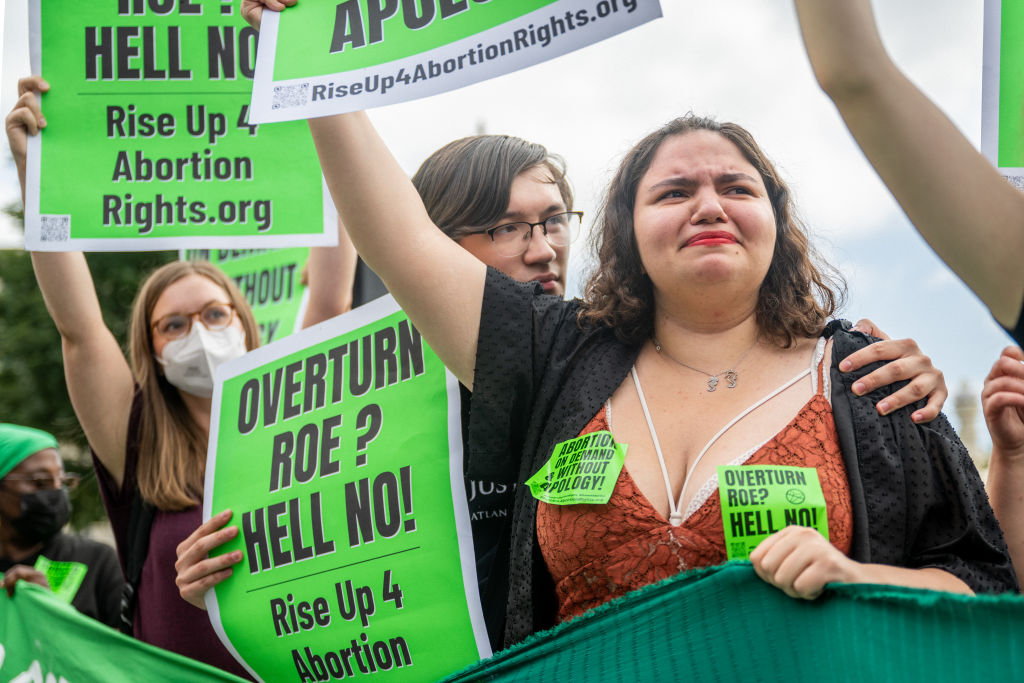
The state of abortion in the US has been subject to public scrutiny in the past months even before the Supreme Court ruling came in a few days back. The Supreme Court set a precedent in Roe v Wade (1973) that stood for over years until it was overturned recently. In this case, the Supreme Court held that unduly restrictive state regulation of abortion was unconstitutional, in effect legalizing abortion for any reason for women in the first three months of pregnancy. Different judgments recognized the legality of state restrictions on abortion but avoided overruling Roe v Wade and these were Webster v Reproductive Health Services (1989) and Planned Parenthood v. Casey (1992).
The new standing now as of Dobbs v. Jackson Women’s Health Organization (2022) is that there is nothing like a constitutional right to conduct an abortion hence overturning Roe v Wade. I won’t be looking at the impact this ruling will or has made to the laws in states where abortion still remains legal.
CONCLUSION.
The state of abortion in different countries is different with either abortion being legal or illegal. In countries where it’s illegal, there are exceptions to the same and where it is legal there are guidelines to be followed.
In Uganda, abortion is clearly illegal as discussed above but there are exceptions to that. However, the legal provisions to some exceptions remain unclear to this moment.
Disclaimer
No information contained in this writing or article should be construed as legal advice from Legal Notch Uganda or the individual authors, nor is it intended to be a substitute for legal counsel on any subject matter.
For additional information in relation to this article, please contact the author
Joel Peter Namugera
joelpeternamugera@gmail .com
REFERENCES
[1] HRAPF Human Rights Awareness and Promotion Forum: The Enforcement of Criminal Abortion Laws in Uganda and its Impact on the Human Rights of Women and Health Workers, Final Version, December 2016
[2] Center for Reproductive Rights Briefing Paper: A Technical Guide to Understanding the Legal and Policy Framework on Termination of Pregnancy in Uganda (2012) 24-25, 35-36.
 THE LEGAL NOTCH